
Expressing emotions
Recognizing feelings and finding safer ways to communicate them.


Counselling
Support for children who are having a hard time with emotions, behaviour, confidence, relationships, or major changes at home or school.
Support
Children do not always have the words to explain what is bothering them. Changes in emotions, behaviour, sleep, relationships, or school life may be signs that they need more support.

Anxiety, fears, separation concerns, or difficulty settling down.

Frequent anger, meltdowns, frustration, or difficulty calming after becoming upset.

Trouble identifying emotions or explaining what is wrong.

Withdrawal, acting out, difficulty following routines, or changes at home or school.

Difficulty making friends, communicating, setting boundaries, or handling conflict.

Grief, family separation, moving, changing schools, a new sibling, or another stressful experience.
Approach
Children often communicate through play before they can clearly explain their thoughts and emotions with words.
In play therapy, a counsellor may use toys, art, stories, games, or imaginative activities to help a child express themselves and explore difficult experiences. The activities are chosen intentionally based on the child’s age, needs, and comfort level.
Play therapy is not simply unsupervised playtime. The Association for Play Therapy describes it as a structured and developmentally appropriate therapeutic approach led by a trained mental-health professional.
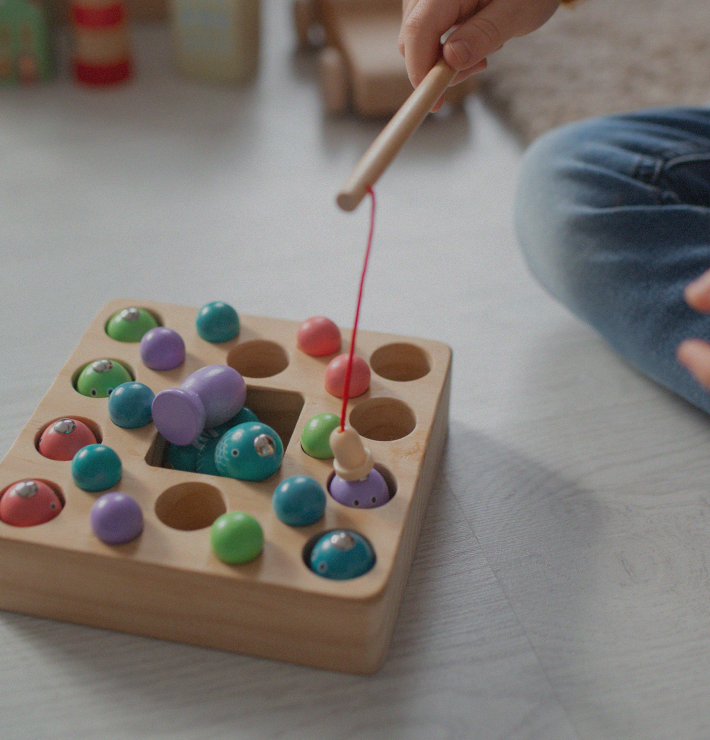
For many children, play makes it easier to show what is hard to say.
Goals
Sessions are tailored to the child. Depending on their needs, counselling may focus on one or several of the following areas.
Recognizing feelings and finding safer ways to communicate them.
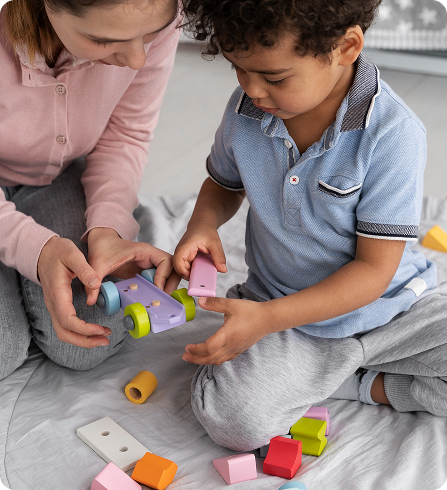

Supporting self-esteem, independence, problem-solving, and social skills.

Building strategies for anxiety, frustration, anger, and emotional overwhelm.

Processing grief, family changes, school transitions, trauma, or other stressful experiences.
Process
A simple look at how counselling may begin, what sessions can involve, and how support develops over time.
You will have an opportunity to share what you have noticed, when the concerns began, what has changed, and what you hope counselling can support.
The counsellor will take time to help your child feel comfortable. Sessions may include play, art, storytelling, games, conversation, or other age-appropriate activities.
The counsellor may meet with you periodically to discuss general progress, provide practical strategies for home, and decide whether the plan should change.
The exact format depends on your child’s age, needs, consent, and counsellor’s approach.
Involvement
Parents and caregivers are an important part of child counselling. Your knowledge of your child helps the counsellor understand what is happening outside the session and what support may be useful at home.
At the same time, children need an age-appropriate level of trust and privacy with their counsellor. Before counselling begins, the counsellor should explain how consent, confidentiality, parent updates, and safety concerns will be handled.

Tell the counsellor about recent changes, concerns at home or school, and any strategies you have already tried to support your child.

Use the activities or communication strategies your counsellor recommends between sessions to support progress at home.

Avoid repeatedly asking your child to report everything that happened in their session. Let the counsellor explain what information can appropriately be shared.
COUNSELLING TEAM
Our experienced counsellors provide a safe, supportive, and confidential environment where you can navigate life’s challenges with confidence.

Registered Clinical Counsellor
Hello, I’m Elnaz Bondar. With a Master’s in Counselling Psychology from Trinity Western University, I have dedicated my career to helping people find clarity and peace.

Registered Clinical Counsellor
Susan Tavakol, a distinguished Clinical Counsellor, who will be offering her full range of services at our clinic.

Registered Clinical Counsellor
Dr. Maryam Mousavi Nik is a licensed Clinical Psychologist with over 16 years of professional experience in psychotherapy, academic research, and teaching.

Registered Clinical Counsellor
My passion for empowering clients to help them realise their self-improvement goals has been the driving force behind my work as a counsellor and art therapist.

Registered Clinical Counsellor
I am a Registered Clinical Counsellor and Psychology professional with over 5 years of experience providing evidence-based psychotherapy across clinical, community mental health, rehabilitation, and forensic settings.
Coverage
Your extended health plan may cover counselling provided by an eligible practitioner. Coverage limits, practitioner requirements, reimbursement amounts, and direct-billing availability depend on your plan.
FAQ
Find quick answers to common questions about appointments, insurance,
referrals and virtual care.
Play is a child’s natural way of communicating. While adults often use words to process emotions, children may use toys, sand, art, and games to express experiences they cannot yet explain. This can help them process trauma, manage anxiety, and develop problem-solving skills in a way that feels safe and natural.
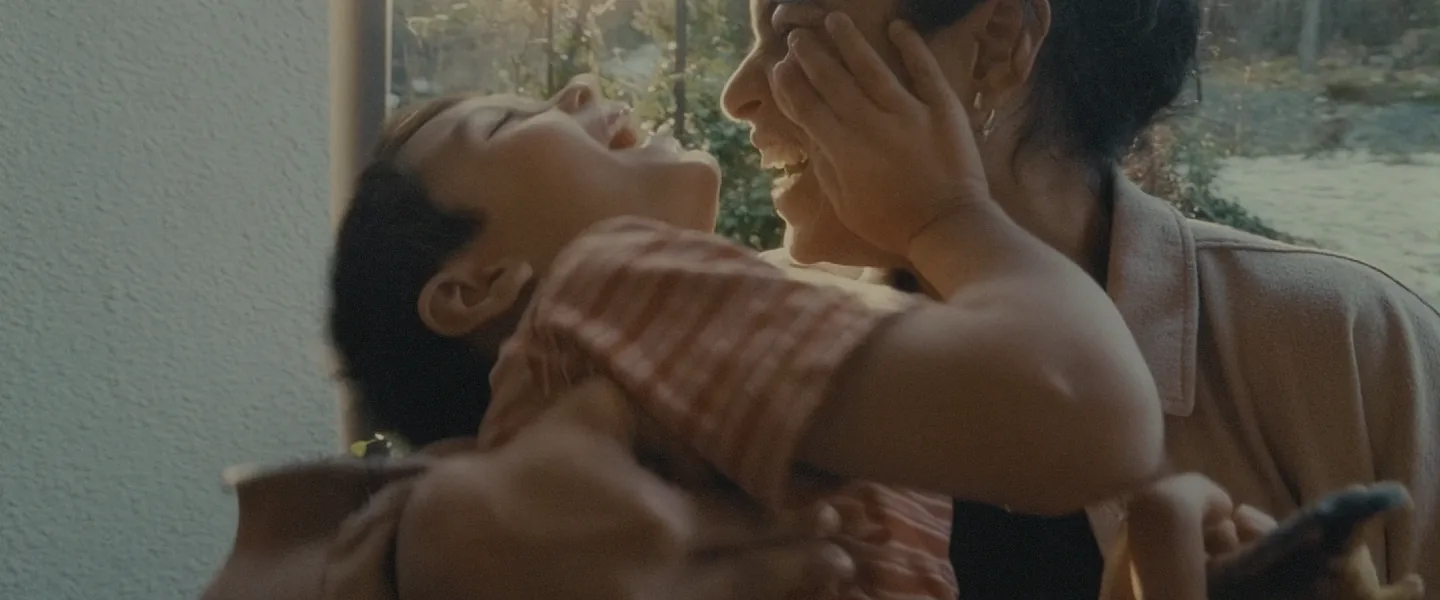
Book an appointment or contact reception to ask which counselling service and practitioner may be a good fit for your child.
